Stainless steel fabrication for water treatment involves designing and welding corrosion-resistant components such as clarifier plates, valves and basin structures. The choice of alloy, from 316L to super duplex 2507, depends primarily on chloride concentration and temperature.
Stainless steel fabrication for water treatment is central to the reliability of modern wastewater treatment plants. Every basin, clarifier and duct must withstand years of exposure to effluent, chlorides and chemicals without corroding. The wrong alloy or a weak weld can compromise an entire process.
Yet two projects that appear identical on paper may require different alloys. The real work begins with an accurate assessment of the water to be treated, followed by components designed to last for decades. Here is how to select the right stainless steel and the right parts for a treatment plant.
Why stainless steel is essential in water treatment plants
Stainless steel is widely used in treatment infrastructure because it combines mechanical strength, hygiene and longevity. Unlike painted or galvanized steel, it does not depend on a coating that will eventually flake off in a damp, chloride-laden environment.
A typical plant uses a wide variety of custom-fabricated stainless steel parts. The most common include:
- Clarifier plates and lamella modules
- Vortex equipment and separators
- Valves, ducts and manifolds
- Walkways, guardrails and supports
- Basin structures and walls, tanks
These components operate continuously and are often submerged. Their service life depends as much on the selected alloy as it does on weld quality and sizing. This is why the water-treatment expertise of an integrated manufacturer makes a real difference in the final result.
Choosing between 316L, duplex and super duplex for chlorides
In water treatment, the main challenge is resistance to pitting corrosion. Chlorides found in wastewater, brines and salt water attack the passive film on stainless steel. The warmer and more chloride-rich the water is, the greater the need for an alloy rich in chromium, molybdenum and nitrogen.
The role of PREN and temperature
PREN (pitting resistance equivalent number) provides a quick way to rank alloys. The higher the value, the more chlorides the steel can tolerate before pitting begins. The two-phase structure of duplex stainless steels also gives them a much higher yield strength than 316L, which can allow for thinner walls.
| Stainless steel alloy | Indicative PREN | Performance in chlorides | Typical water-treatment uses |
|---|---|---|---|
| 304 / 304L | ~18 | Low, limited to low-contaminant water | Walkways, supports, lightly exposed structures |
| 316L | ~24 | Moderate, suitable for medium chloride levels | Clarifiers, ducts, standard wastewater tanks |
| Duplex 2205 | ~35 | High, resistant to stress corrosion cracking | Submerged structures, equipment exposed to brines |
| Super duplex 2507 | >40 | Very high, suited to heavily chlorinated environments | Pressure parts, salt water, aggressive effluent |
When 316L is enough and when to upgrade
316L remains the workhorse of municipal treatment plants. It performs well in moderately contaminated water, often up to approximately 2,000 ppm of chlorides under favourable temperature and pH conditions. To understand this grade, the difference between 304L and 316L is a good starting point.
Above that threshold, or in the presence of hot water, crevices and brines, super duplex takes over. The PREN above 40 of 2507 sharply limits pitting, at the cost of a higher price and more demanding fabrication. A comparison of super duplex 2507 and duplex 2205 helps determine which one fits the actual aggressiveness of the effluent.
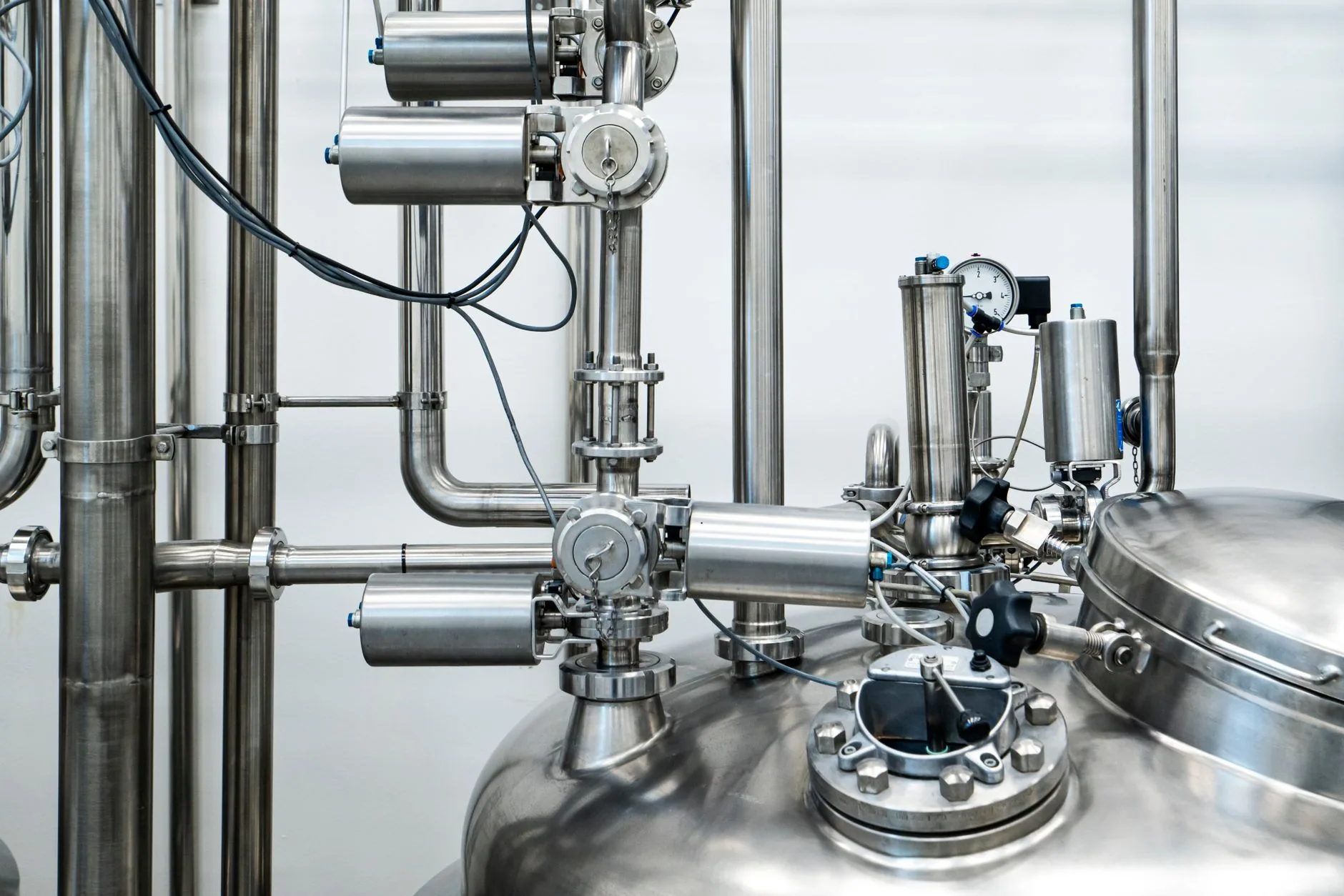
Need to validate the right alloy for a wastewater treatment project? An integrated metal fabricator can take measurements on site and recommend suitable components. Request a technical quote before finalizing the drawings.
Stainless steel components fabricated for wastewater treatment plants
Once the alloy has been selected, each component is sized according to flow, load and available space. Clarifier plates must meet a precise angle and spacing to optimize sedimentation. Vortex equipment requires carefully controlled geometry to manage flow without creating dead zones.
Valves, ducts and manifolds must combine leak tightness with pressure resistance. Basin structures and tanks, which are often large, require welded assemblies that can withstand high hydraulic loads throughout their service life.
This work calls for precise expertise in stainless steel structures, with cutting, bending and assembly managed under one roof. This integration shortens lead times and avoids quality gaps between subcontractors.
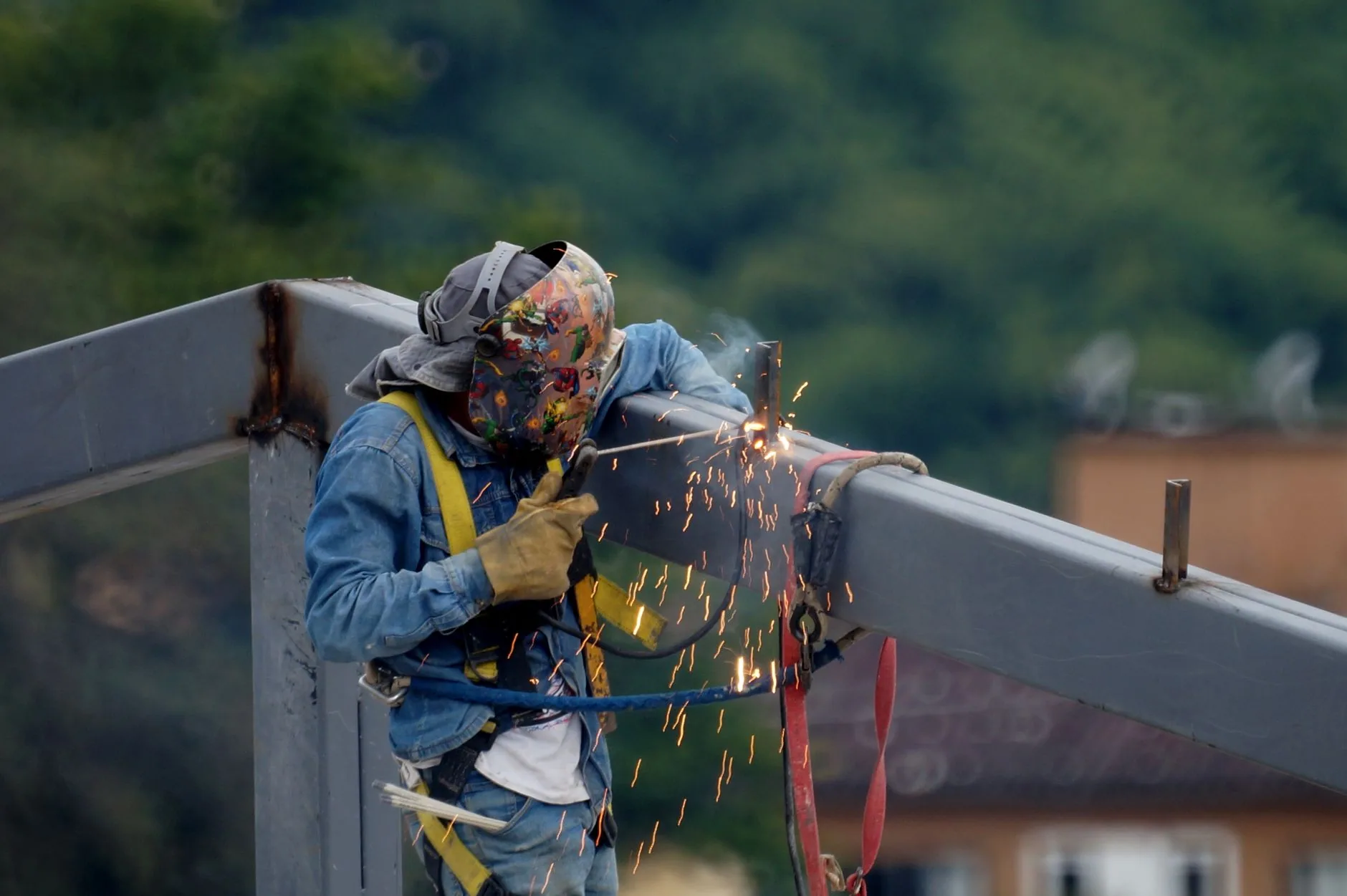
Installation constraints in stainless steel water treatment fabrication
Alloy theory is not enough: an existing plant imposes its own constraints. Actual basin tolerances differ from the original drawings, and new parts must fit existing anchors and ducts.
Taking measurements directly on site prevents unpleasant surprises. An accurate survey, combined with 3D planning, ensures that welded components fit on the first delivery. This rigour is based on the same principles as a well-managed custom metal fabrication project.
Joint quality is just as critical. In a chloride environment, a poorly executed weld becomes the first point of corrosion. TIG welding certified to CSA W47.1 preserves the alloy’s resistance and extends equipment life.
Conclusion
Successful stainless steel fabrication for water treatment rests on three pillars: correctly assessing the water to be treated, selecting an alloy suited to the chlorides, and fabricating and welding components for the site. From 316L to super duplex 2507, each grade has its place, and certified welding protects the entire assembly over the long term. To secure a wastewater treatment project, entrust design and assembly to a certified team that measures on site and fabricates to order. Request a technical quote today.
FAQ
What is stainless steel fabrication for water treatment?
Stainless steel fabrication for water treatment includes the design, cutting, bending and welding of stainless steel components for wastewater treatment plants. It produces durable parts such as clarifier plates, valves and basin structures. The fabricator selects the alloy according to the expected corrosion, then adjusts dimensions to actual site constraints before final installation on site.
Should I use 316L or super duplex 2507 in the presence of chlorides?
The choice depends on the chloride concentration, temperature and pH of the treated water. 316L suits moderately contaminated water, often up to approximately 2,000 ppm of chlorides under favourable conditions. Above that level, or in the presence of hot water and crevices, super duplex 2507 is safer because its PREN above 40 sharply limits pitting corrosion.
Which stainless steel components are fabricated for a wastewater treatment plant?
A wastewater treatment plant uses many custom-fabricated stainless steel parts. These include clarifier plates, vortex equipment, valves, ducts and walkways, along with basin structures, supports and tanks. Each component is sized according to flow, effluent aggressiveness and available space, then assembled using certified welding to ensure leak tightness and a long service life.
Why should components be measured directly on site?
Existing plants have actual tolerances that often differ from their original drawings. Taking measurements on site allows each component to be fitted to basins, anchors and ducts that are already in service. This step reduces costly rework, speeds up installation and limits operational shutdowns. An accurate survey combined with 3D planning ensures that welded parts fit perfectly on the first delivery to the site.