Custom industrial sheet metal fabrication turns metal sheets into precise parts through cutting, bending, forming and assembly. It handles a wide range of thicknesses and materials, with controlled tolerances, to produce enclosures, panels and brackets tailored to each industrial need.
A good drawing is not enough if the part cannot be bent, cut or assembled properly. Every project starts with a simple question: what thickness, material and tolerance are truly required? Getting the answer right avoids extra costs, rework and parts that do not fit together. This hub article outlines the discipline, its capabilities and the benchmarks to know before finalizing drawings.
What is custom industrial sheet metal fabrication
Sheet metal work covers all the operations that turn a flat sheet into a functional three-dimensional part. It shapes sheets of constant thickness, unlike machining, which cuts material from a solid block.
The term covers design, cutting, bending, forming, welding and finishing. It is a particularly efficient approach for producing enclosures, panels, housings, brackets and components that must stay lightweight while remaining rigid.
The strength of an integrated industrial sheet metal shop is that it brings all these steps under one roof. This continuity shortens lead times and reduces handoff errors between suppliers. To see the full path of an order, review the steps of a fabrication project.
Sheet thicknesses and formats commonly processed
The choice of thickness determines rigidity, weight, cost and bending feasibility. There is no universal ideal thickness: it all depends on the part's function and the chosen material.
Understanding gauges by material
Gauge is a frequent source of misunderstanding. The same gauge number does not correspond to the same thickness in steel, stainless steel and aluminum, because gauges vary by metal and follow separate historical standards. A useful reminder: the higher the gauge number, the thinner the sheet.
To avoid any ambiguity on a drawing, it is better to specify the actual decimal thickness rather than the gauge alone. A few practical benchmarks:
- Thin sheets: lightweight housings, interior panels, non-structural covers.
- Medium thicknesses: the most common range for enclosures, supports and brackets.
- Heavy thicknesses: frames, industrial structures and mounting plates that carry loads.
Sheet sizes and heavy gauge
Beyond thickness, sheet size and bend length determine what can be made as a single part. A large enclosure may require splitting into welded subassemblies rather than a single bent sheet.
The thicker the sheet, the larger the minimum bend radius. This reality shapes the design from the start: a radius that is too tight on thick sheet can crack the material or distort the geometry.
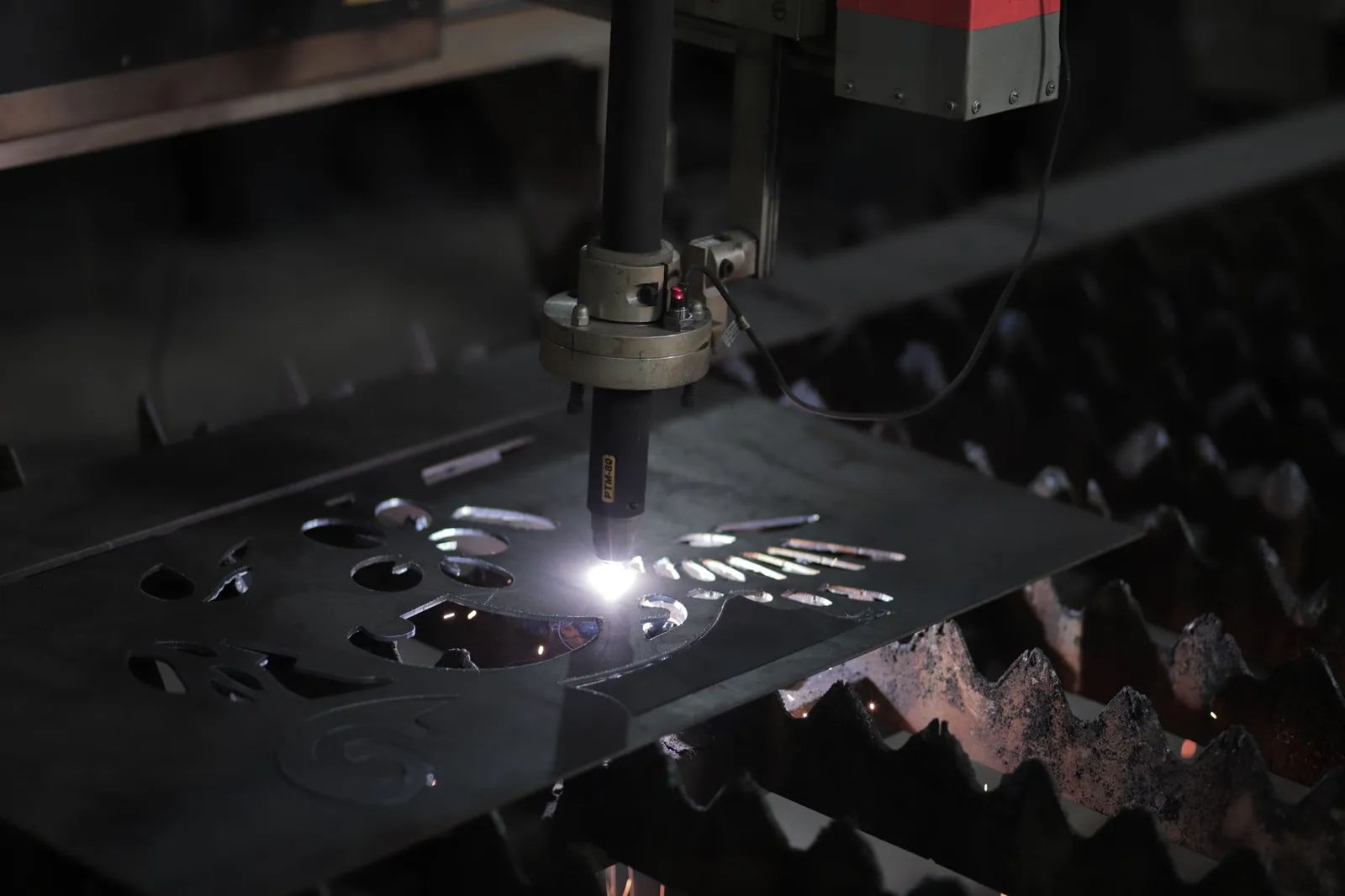
Materials used in precision sheet metal work
The material dictates bending behaviour, corrosion resistance and the type of finish possible. A serious precision sheet metal shop masters several alloy families and their specific characteristics.
304L and 316L stainless steel
Stainless steel remains the go-to choice for environments with demanding hygiene and corrosion resistance requirements. 304L suits many general applications, while 316L, with its higher molybdenum content, performs better in chloride environments. For clean profiles on these alloys, stainless steel laser cutting delivers clean edges that minimize rework.
Aluminum
Aluminum appeals for its light weight and good conductivity, at the cost of bending behaviour that differs from steel. The choice of alloy changes everything, from forming to weldability, as detailed in this guide to custom aluminum fabrication.
Duplex and super duplex
For highly aggressive environments, duplex and super duplex steels offer a rare balance of mechanical strength and corrosion resistance. However, they require more bending force and careful forming planning.
The cutting, bending, forming and assembly sequence
Final quality depends as much on the sequence of operations as on each operation taken individually. The logical order can be summarized as follows:
- Cutting: the sheet is profiled by laser or punch before or after bending.
- Bending: the CNC press brake forms the angles according to precise programs, compensating for the metal's springback.
- Forming: rolling, light stamping or shaping completes the geometry.
- Assembly: welding, riveting or fastening joins the subassemblies.
- Finishing: polishing, brushing and surface treatments prepare the part for service.
Bending and cutting are so closely linked that it is worth understanding how CNC bending and cutting complement each other. On the joining side, welding heat can distort thin parts; anticipating these welded assemblies and distortion issues is part of the trade.
Not sure which thickness or tolerance to specify for your next part? Have your drawings reviewed by a specialized shop before production begins. A simple conversation upfront often prevents costly rework.
Typical tolerances in custom industrial sheet metal fabrication
Tolerances define the acceptable margin of error on each dimension. Specifying them too tight increases costs with no functional gain; specifying them too loose compromises assembly. The table below summarizes typical sheet metal tolerances, generally aligned with the medium class of the general tolerances standard.
| Process | Typical tolerance | Benchmark |
|---|---|---|
| Press brake bending | about ± 0.5° (angular) | medium class |
| Bent dimensions | about ± 0.25 to 0.5 mm | depending on length |
| Laser cutting of contours | about ± 0.05 to 0.4 mm | depending on thickness |
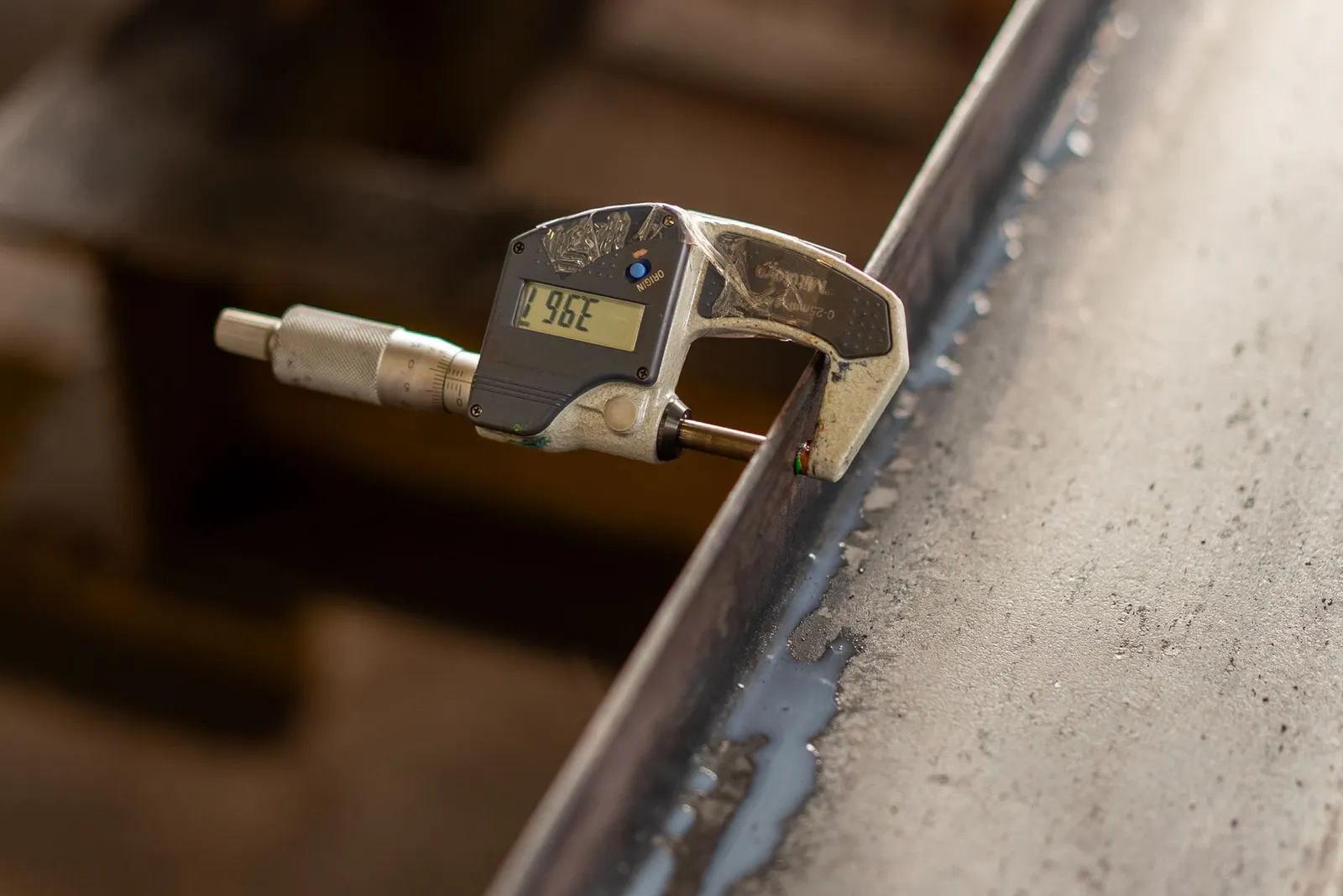
These values are benchmarks, not absolute guarantees. Actual clearances vary with the material, thickness, number of bends and hole positions. It is therefore essential to specify critical dimensions on the drawing and to confirm the standard applied to untoleranced dimensions.
When sheet metal is the right choice
Sheet metal is not always the best answer, but it excels in several scenarios:
- Parts made from sheet of constant thickness, bent and then assembled.
- Enclosures, cabinets, panels and frames that are lightweight yet rigid.
- Small to medium runs requiring a high degree of design freedom.
- Applications where weight must stay under control without sacrificing strength.
Conversely, a solid shape, complex internal geometry or an extremely tight tolerance point instead toward machining. Often, the two worlds combine within the same assembly. That is why custom sheet metal fabrication benefits from a holistic approach that takes related processes such as welding and finishing into account.
Conclusion
Custom industrial sheet metal fabrication rests on three inseparable pillars: a clear understanding of thickness and size capabilities, a suitable choice of material and realistic tolerances. Mastering these benchmarks from the design stage means shorter lead times, less rework and bent and cut sheet metal parts that truly perform their role. Before finalizing your drawings, have them reviewed by an experienced shop to validate feasibility and optimize every critical dimension.
FAQ
What is custom industrial sheet metal fabrication?
Custom industrial sheet metal fabrication is the transformation of metal sheets into unique parts tailored to a specific need. It combines cutting, bending, forming and assembly to produce enclosures, panels, brackets and functional components. Unlike standardized parts, each element is designed around the client's constraints, which offers great freedom in design, thickness, material and finish.
What sheet thicknesses can be bent and cut?
Thicknesses typically range from thin sheet, under one millimetre, up to heavy plate depending on the shop's equipment. The choice depends on the material, because the same gauge corresponds to a different thickness in steel, stainless steel or aluminum. The thicker the sheet, the larger the minimum bend radius, which directly affects part design and typical tolerances.
What bending tolerance can you expect in sheet metal work?
In press brake bending, the typical angular tolerance is around plus or minus half a degree, in line with the medium class of the general tolerances standard. Bent dimensions are often held to within a few tenths of a millimetre. Laser cutting achieves even finer precision on contours. For tight fits, it is best to discuss requirements with the shop before fabrication.
Sheet metal or machining: how do you choose the right process?
Sheet metal is suitable when the part is made of sheet of constant thickness, bent and assembled, such as an enclosure, panel or frame. Machining is the better fit for solid parts, complex shapes or very tight tolerances cut from solid stock. Volume, weight, budget and lead times also guide the decision. Often, the two approaches combine within the same functional and durable metal assembly.